Home / Education & Resources / Become an Artist
A guide in five steps
How to Become a Cosmetic Tattoo Artist in Australia
Cosmetic tattoo is a careful craft: reading a face, placing pigment in skin and working cleanly with every client. The path into it is not a shortcut. It runs through foundation skills, structured training, many hours on practice skin, local requirements and a portfolio that shows how you work.
The steps in this guide
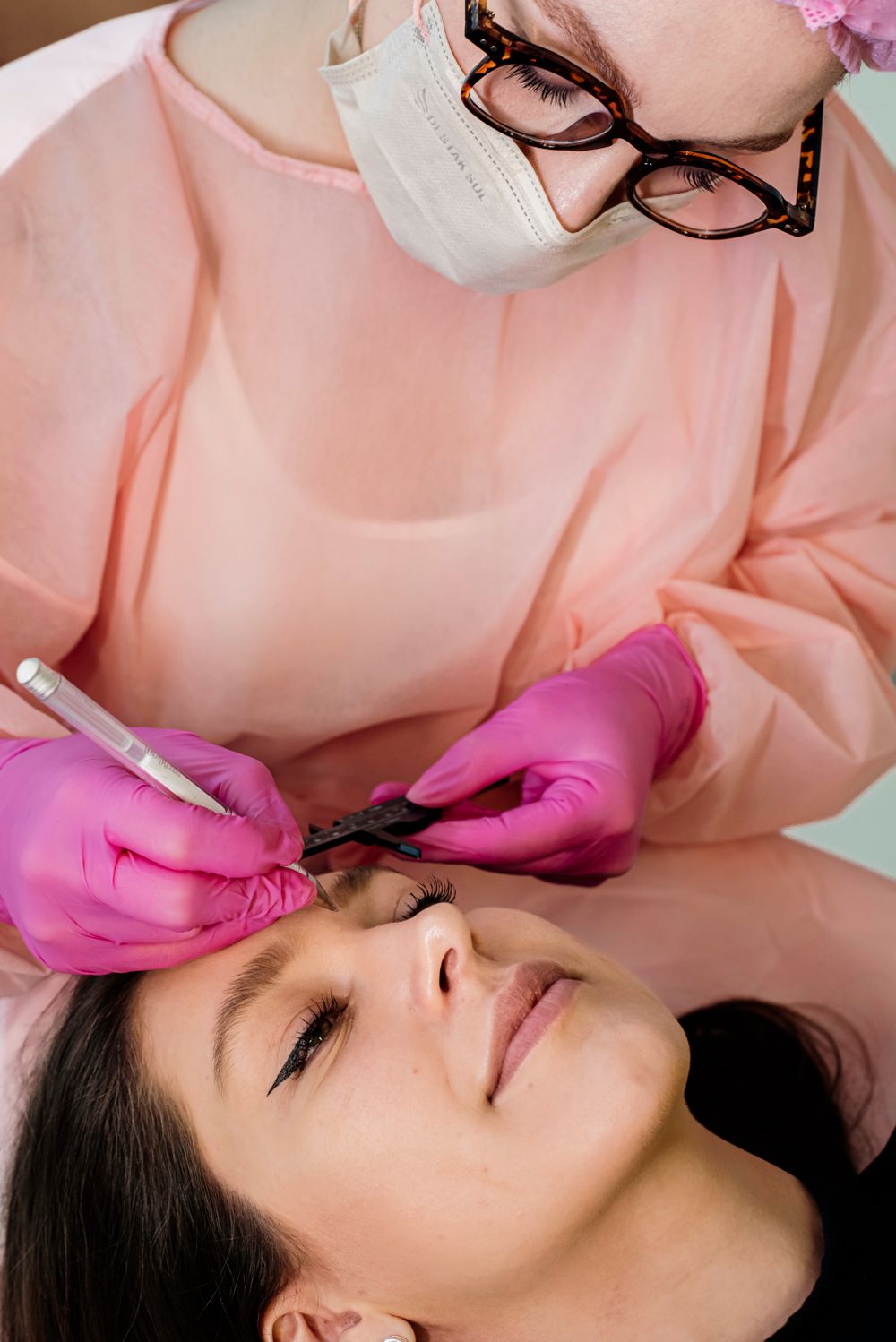
Reference photograph: measuring before marking. Protective wear, a guide and a steady hand come long before the first line of pigment.
01
Build foundation skills
Before technique comes observation. Cosmetic tattoo artists learn to see facial proportion, symmetry and the way brows, lips and eyes move. Sketching brow shapes on paper, studying skin types and undertones, and understanding basic colour theory all make formal training easier to absorb.
Just as important is a habit of hygiene. Setting up a clean workstation, handling gloves properly and thinking about cross-contamination should feel routine long before you pick up a tool.
02
Choose your training
Most new artists start broad. The Cosmetic Tattoo Course covers the discipline as a whole, so you understand skin, pigment and consultation before narrowing your focus. From there you can specialise in brows through the Microblading Course or the Powder & Ombre Brows Course, or move towards lips and eyes.
Compare every option in the Courses hub, and read How to Choose a Cosmetic Tattoo Course for questions worth asking any academy.
Before you enrol anywhere, ask:
Who teaches the course, and what is their verified experience?
How much supervised hands-on time is included?
What do students practise on, and when?
What support is there after training ends?
03
Practise on practice skin
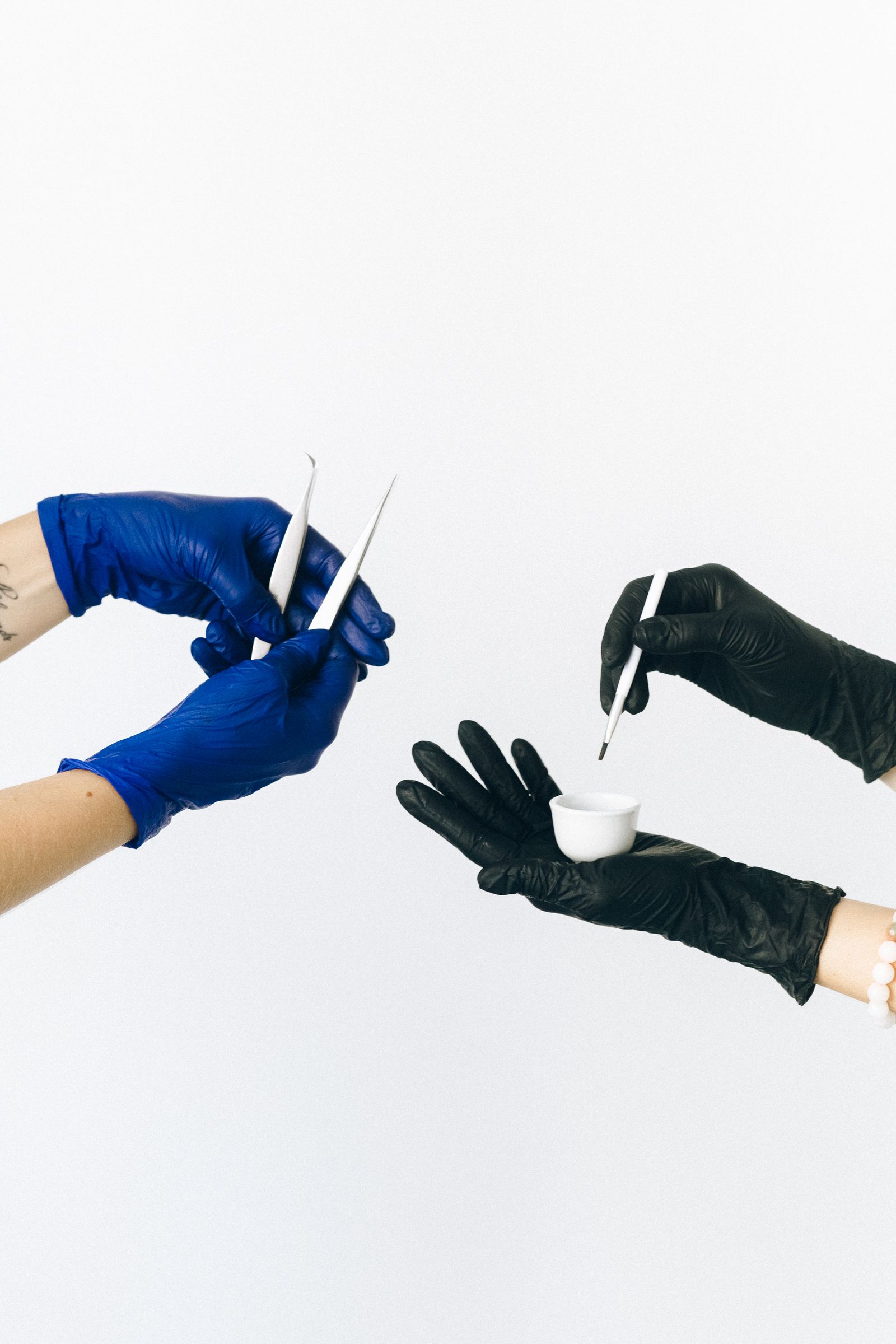
Practice skin is where hand control is built. Repeat strokes, shading passes and outlines until pressure, angle and speed stay consistent from the first line to the last. Map a brow, work it, then study it honestly: where did the depth change, and why?
Keep every sheet, date it and note what you adjusted. Our study tips for students and equipment overview go further.
04
Check local council and state requirements
Cosmetic tattoo involves skin penetration, and rules for premises, registration, infection control and record keeping differ between states and local councils across Australia. What applies in Melbourne may not match another city.
Before you take on clients, check the current requirements with your local council and the relevant state health authority, and confirm them again if you move or open new premises.
05
Build a portfolio
A portfolio shows how you think as well as what you make. Photograph work in consistent natural light, from the same angles, and label each piece honestly: practice skin, supervised model or client. Only share client images with their written consent.
Over time, show range and progress rather than a handful of best shots. For inspiration on how work is presented by course area, see the Student Work Gallery. When you are ready to take the first step, send an enquiry about enrolment or contact us with your questions.