Home / Education & Resources / Choosing a Course
A checklist from the Education & Resources folio
How to Choose a Cosmetic Tattoo Course
Course pages can look alike. The differences show up when you ask who teaches, how much of the day you spend with a tool in your hand, and what happens after the last session. This guide gives you the questions to ask, and helps you decide between a foundation course and a specialist one.
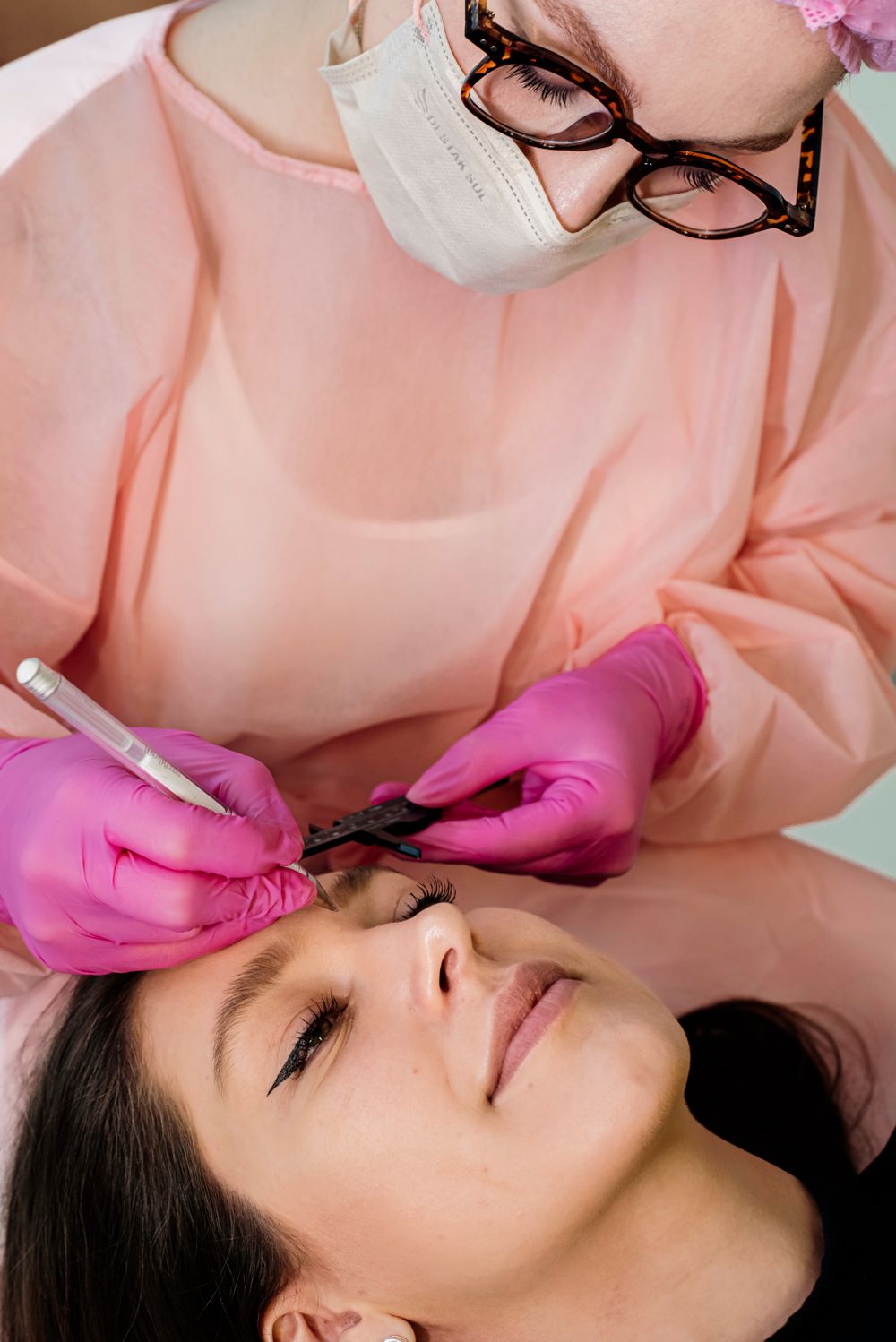
Reference photograph: measuring a brow before any pigment goes in. Compare courses with the same care.
01
Decide what you want to learn first
Before you compare academies, work out which kind of course you need. The Cosmetic Tattoo Course is the foundation. It covers the discipline as a whole: skin, pigment, hygiene, consultation and how a face is mapped. If you are new to the craft, this is usually the sensible place to start.
Specialist courses go deep on one area. If you already work in brows and want another technique, look at the Microblading Course or the Powder & Ombre Brows Course. Other specialist areas include lips, eyeliner, fine line work and removal.
02
Six questions to ask any course
Ask every academy the same six questions, then put the answers side by side.
Question 01
Who teaches, and what is their background?
Look for experience you can check, not just adjectives. Ask which trainer takes your course and whether they do the demonstrations themselves. Read our trainer profiles.
Question 02
How is the class run?
Ask how theory, demonstration and supervised practice are split, whether you learn one-to-one or in a group, and how much of the trainer’s attention you will get while you work.
Question 03
How much hands-on practice is there?
Watching doesn’t build control. Ask how much of the day you spend working on practice skin, whether you work on a live model under supervision, and how your practice gets corrected.
Question 04
What kit is included?
Find out what you get to keep, what you use only in class and what you will need to buy before your first client. Our equipment overview explains the basics.
Question 05
What support is there after the course?
Your first solo appointments bring the hardest questions. Ask whether you can send the trainer photos of your work for feedback, and how long after the course you can still get in touch.
Question 06
Can you see genuine student work?
Ask to see healed results from students, clearly labelled so you can tell them apart from the trainer’s own work. Browse the Student Work gallery.
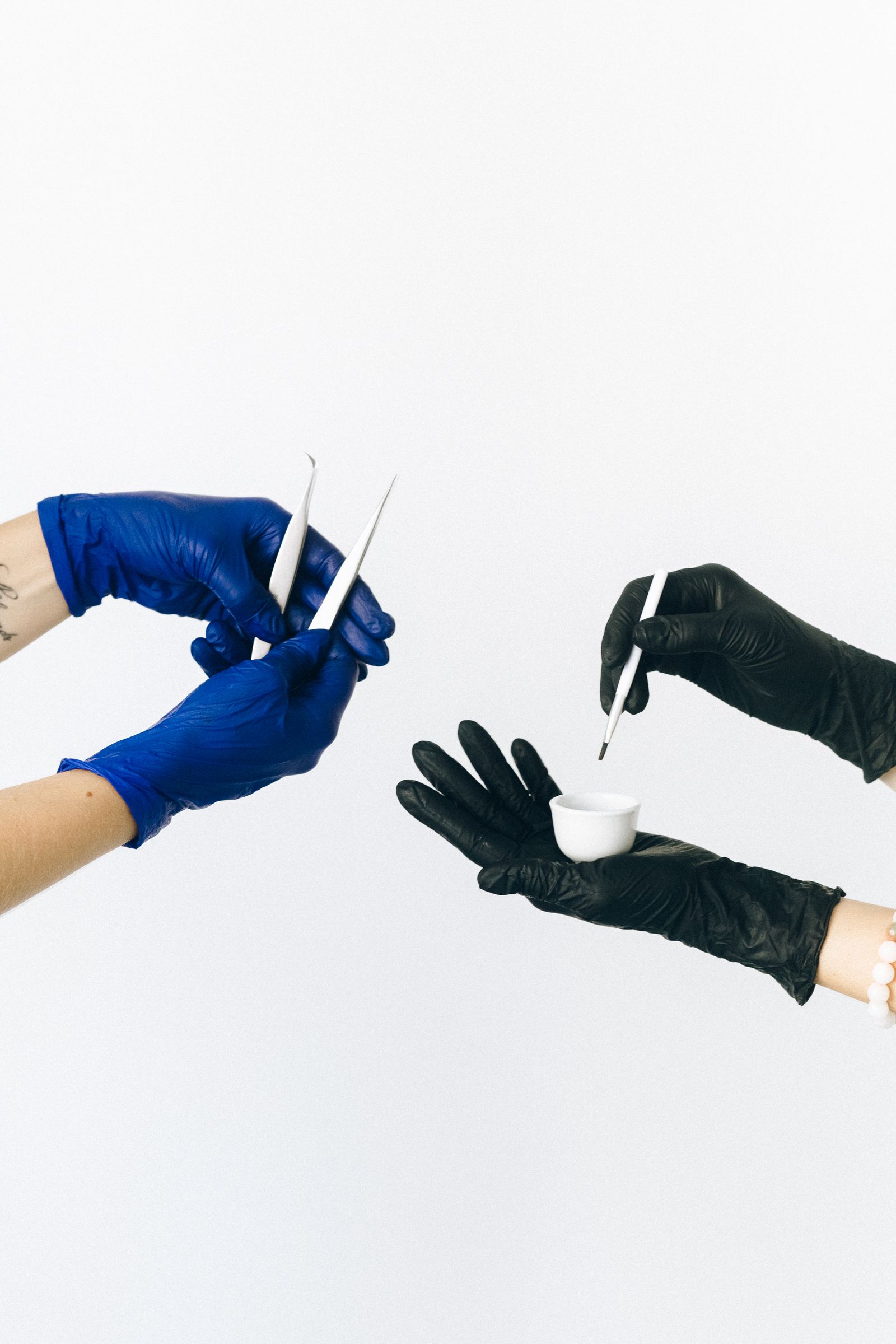
Reference photograph: fine tools and a pigment cup. Ask which of these you get to keep.
03
Reading between the lines of a course page
A few things should make you slow down. Be wary of promises about income or client numbers, because no course can guarantee either. Ask what any certificate actually shows, and check it against the requirements where you plan to work. Be cautious if a course has no student work to show, and if anyone pushes you to commit before your questions are answered, walk away.
A good course is happy to explain its structure. For more on what the stages of training look like, read Cosmetic Tattoo Training: What to Expect.
04
Before you enquire
Take these four steps with you. By the time you write to us, you will know which course you mean and what you want to ask.
i Compare the course areas in the Courses hub and choose foundation or specialist.
ii Read the trainer profiles for the course you are considering.
iii Look through Student Work for the technique you want to learn.
iv Write down the six questions above, and bring them to your enquiry.
For general questions, use the contact page.