Home / Courses
Cosmetic Tattoo Courses in Melbourne
Eight course areas, set out like the contents page of a prospectus. Read what each one covers, compare the two main brow methods side by side, then send an enquiry about the course that suits the work you want to do.
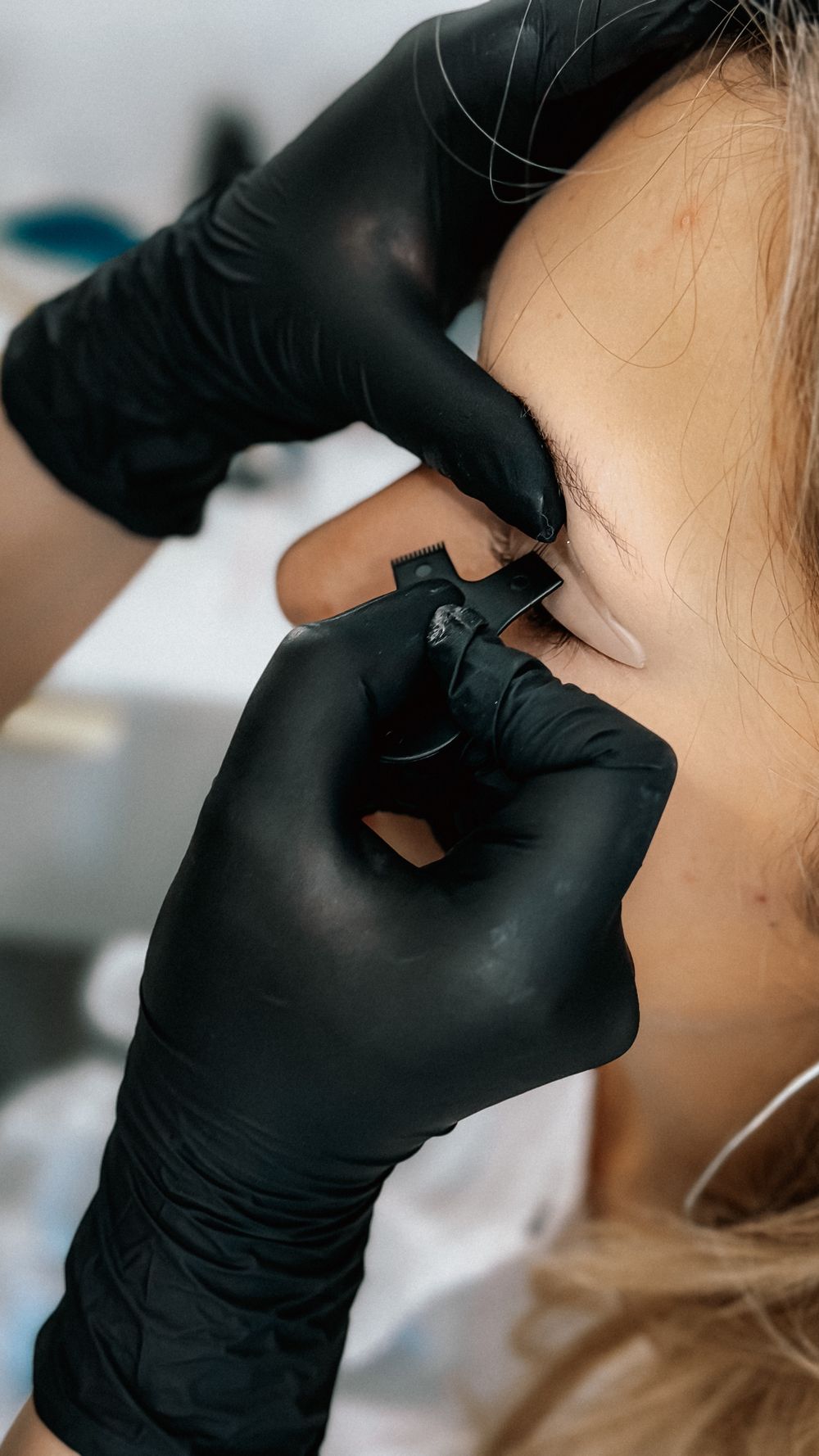
Reference photo: a gloved practitioner works with a small brow tool beside the eyebrow.
A practical checklist before you choose
Pick the area of the face or body. Brows, lips, eyes, fine line or removal. Each one uses different mapping, skin handling and pigment choices.
Decide where you are starting from. If cosmetic tattoo is new to you, the Cosmetic Tattoo Course gives you the whole discipline before you specialise.
Meet the people teaching it. Read the profiles on Our Cosmetic Tattoo Trainers to see who teaches each course.
Look closely at finished work. The Student Work Gallery shows what learners produce, sorted by course.
Read one guide first. How to Choose a Cosmetic Tattoo Course sets out the questions worth asking before you enrol.
Course contents
Every course has its own page with an overview, who it suits, techniques covered, course structure, training format and what is included. Start with the line that matches the work you want to do.
Foundation · The discipline as a whole: skin, mapping, pigment and hygiene, with a path into each specialist course. Read the course →
Brows · Brow shape, symmetry and mapping for the whole brow, leading into stroke and shaded methods. Read the course →
Brows · Hair-stroke brows drawn by hand, with attention to stroke direction, depth and spacing. Read the course →
Brows · Soft shaded brows built up gradually, from a light front to a denser tail. Read the course →
Lips · Lip blush, outline and colour selection for the delicate tissue of the lips. Read the course →
Eyes · Lash-line enhancement and liner work, where precision and client comfort around the eye come first. Read the course →
Fine Line · Delicate single-needle style designs, from drawing and stencil placement to clean, even lines. Read the course →
Removal · How pigment behaves in skin and how removal is assessed, planned and carried out with care. Read the course →
Not sure where to begin? Most new learners start with the Cosmetic Tattoo Course, then add a specialist technique.
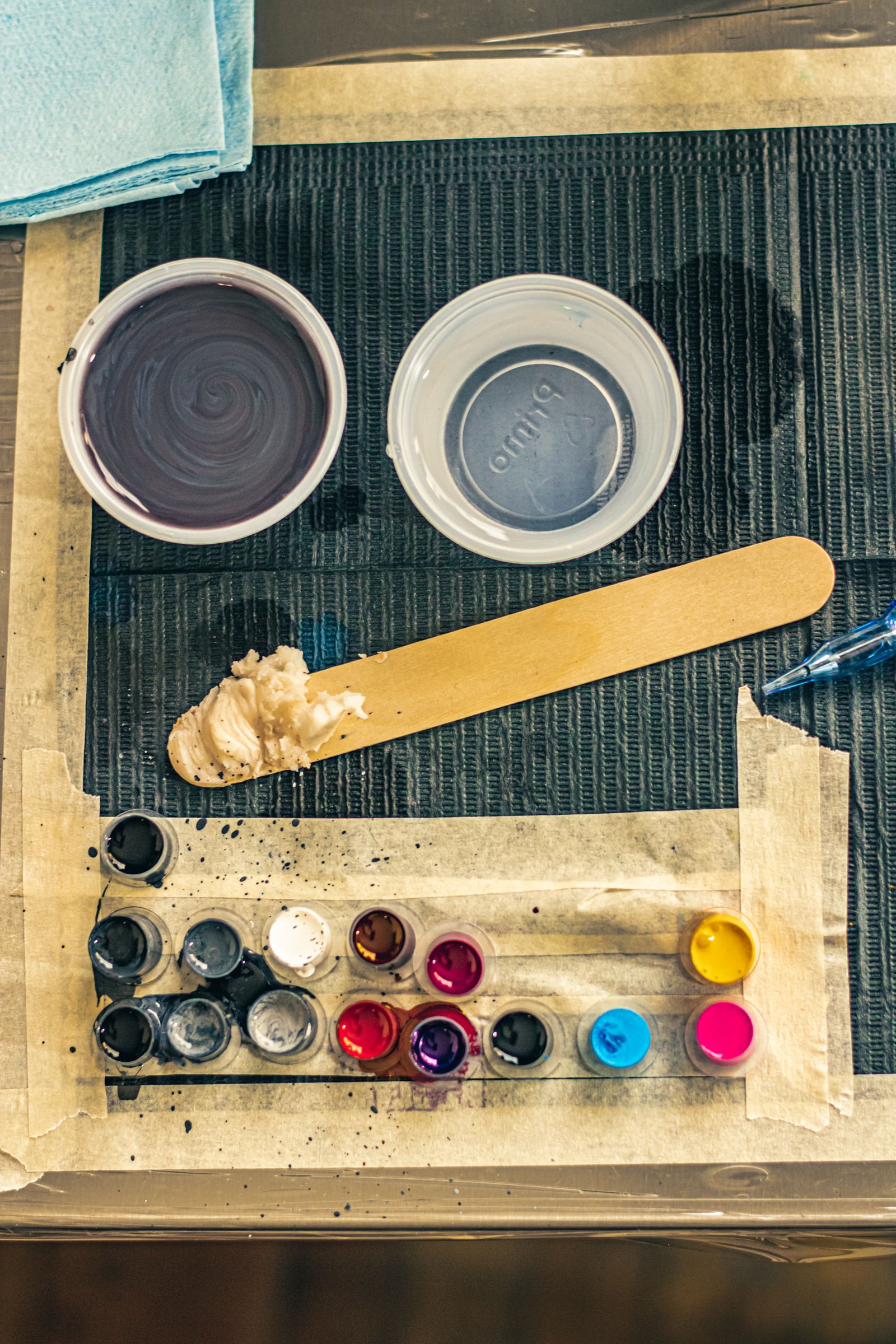
Reference photo: pigments and supplies at a workstation. Tools are covered in Cosmetic Tattoo Equipment: A Beginner’s Overview.
Two brows, two methods
Microblading and powder and ombre brows are the two brow methods learners ask to compare most often. Read them row by row: the technique, the look it creates and the kind of learner it tends to suit. Both are introduced in the Eyebrow Tattoo Course.
Option A — Microblading
Technique · Option A
A hand tool with fine blades places pigment in individual strokes that follow natural hair growth.
Look it creates · Option A
Defined, hair-like brows with visible strokes and a natural, textured finish.
Suits learners who… · Option A
Enjoy detailed drawing, patient pattern work and controlling pressure by hand.
Read the course · Option A
Microblading Course →
Option B — Powder & Ombre
Technique · Option B
A cosmetic tattoo machine deposits pigment in fine dots, layered until the shading is even.
Look it creates · Option B
A soft, filled brow, often lighter at the front and deeper towards the tail.
Suits learners who… · Option B
Like building gradients slowly and want steady control of a machine and needle.
Read the course · Option B
Powder & Ombre Brows Course →
Found your course? Ask about enrolment.
Send a note about the course you are considering and where you are starting from. For more background first, browse Education & Resources, the Cosmetic Tattoo Course FAQ or contact us directly.