— JOURNAL · TECHNIQUE · BY OLHA PO
Many people assume that learning cosmetic tattooing mostly means learning to run a machine and copy a design. The machine matters. But most of the decisions that shape a brow, a lip or an eyeliner are made before it is switched on.

— BEFORE THE NEEDLE · A CHECKLIST
SKIN. What is the skin in front of you like? Is there earlier cosmetic tattoo work?
PROPORTION. How should the shape relate to the structure of this particular face?
SYMMETRY. Where are the two sides actually different, and how much should you balance them?
COLOUR. Which tone suits this person’s natural colouring?
PIGMENT. Which pigment will carry that colour decision?
SUPERVISION. Has an experienced trainer checked your plan before you begin?
— 01 THE MISCONCEPTION
A stencil and a steady hand can give you a design. They can’t tell you whether that design belongs on the face in front of you. Two people can ask for the same brow shape and need quite different results, because their bone structure, features and colouring differ.
That’s why we treat cosmetic tattooing as a sequence of decisions. You observe, measure and choose, and only then pick up the tool. In our training, the machine comes after the thinking.
— 02 SKIN
Here, skin assessment means looking closely at the skin you are about to work on, including any previous cosmetic tattoo, so you can plan your approach. It is a practical, cosmetic judgement, not a medical diagnosis.
— 03 PROPORTION · SYMMETRY
Faces are rarely symmetrical. Brow mapping and careful measuring show where to balance the two sides and where to respect natural differences. The aim is a shape that suits the face rather than a template.
— 04 COLOUR THEORY
Colour theory helps you see how a shade will sit next to a person’s natural colouring. It also explains why the same pigment can look different on different people.
— 05 PIGMENT SELECTION
Pigment selection turns your colour decision into something practical. Brows, lips and eyeliner each ask different things of a pigment, and the choice should follow your assessment.
— 06 SUPERVISED PRACTICE
You can read about all of these decisions, but they only turn into skill through hands-on practice with someone watching closely. For that reason our courses are taught face to face in Melbourne, in small groups, with individual guidance and practical feedback while you work. We don’t offer online-only practical training as a replacement for supervised instruction.
Read more about Our Training Approach, or see how the Comprehensive Cosmetic Tattoo Course covers eyebrow, lip and eyeliner tattooing.
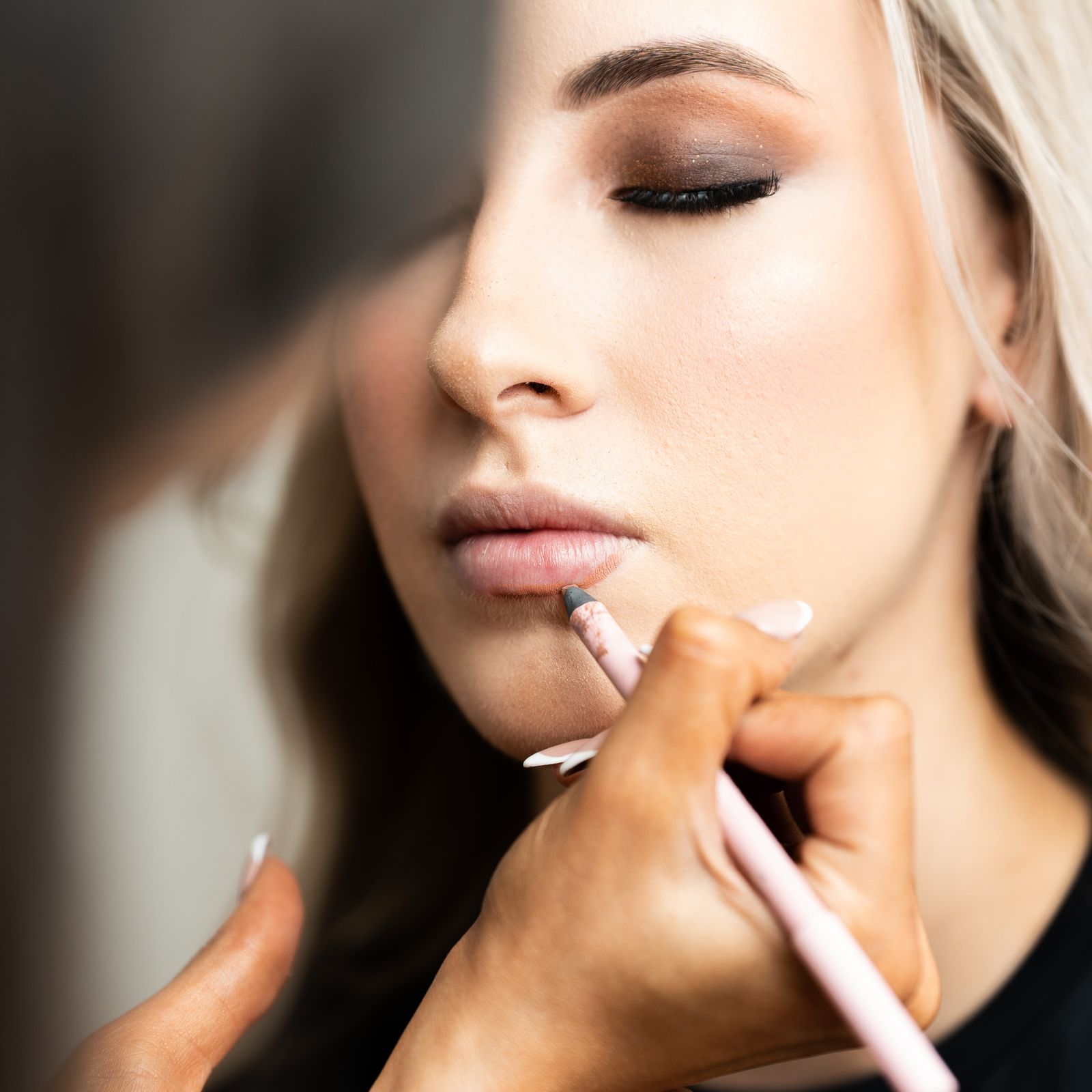
— ILLUSTRATIVE · LIP LINER BEING APPLIED · NOT A STUDENT RESULT
— 07 WHAT TRAINING CAN AND CAN’T DO
Good judgement takes time to develop, and no course can hand it over finished. Completing a course doesn’t guarantee employment or income, and it doesn’t give automatic permission to perform professional treatments. Our course certificates aren’t university degrees or nationally recognised qualifications. Students remain responsible for meeting the laws, licensing, insurance and professional requirements that apply to them. For the full details, read Course Limitations and Student Responsibilities.
— FURTHER READING
Comprehensive Cosmetic Tattoo Course
Comprehensive or Single-Area: Which Course Suits You?
Not sure which course suits your experience? We’re happy to talk through suitable options, fees and available dates.