Course 04 of 08
Powder & Ombre Brows Course
Shaded brows are built from thousands of tiny pigment dots, not drawn strokes. This course teaches you to lay that shading down with a machine, grading from a soft front to a defined tail, so the finished brow reads like a gentle wash of powder make-up.
On this page
Overview and who it is for
Techniques covered
Structure, format and what is included
Trainer and student work
Questions
Deciding between shading and hair strokes? Read the Microblading Course alongside this page.
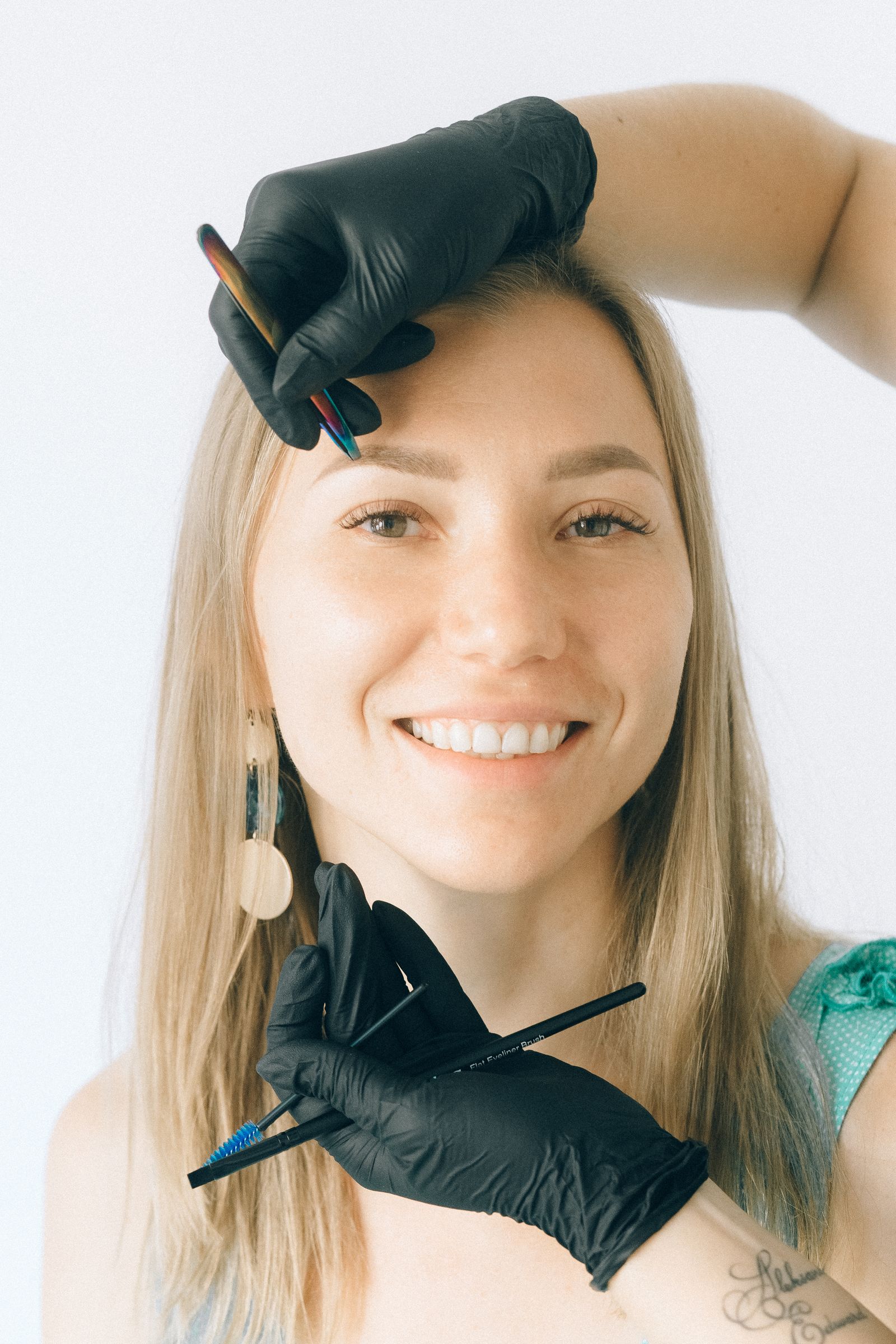
A gloved practitioner works on the brow with a precision tool and brow brushes.
01
Overview and who it is for
Powder brows give a soft, filled look. Ombre brows push the same method further, keeping the front of the brow faint and building depth towards the arch and tail. Both rely on control of the machine rather than a blade, which is why they suit a different kind of skin and a different kind of client from hair-stroke work.
The course suits beauty professionals who already shape or tint brows and want a machine-based service, learners who have completed foundation study in the Cosmetic Tattoo Course, and microblading artists whose clients need something that holds better on oily or mature skin.
Oily skin can blur fine strokes as they heal. Shading is often the better choice for these clients.
Mature or thinner skin can take pigment unevenly under a blade. A machine lets you work more gently.
02
Techniques covered
Machine shading
Handling the machine pen, setting hand speed against needle movement and placing even pixel dots without dragging or overworking the skin.
Gradient build-up
Layering passes so density rises gradually from the brow head to the tail, which is what separates a soft ombre from a solid block of colour.
Pigment selection
Reading undertones in skin and natural hair, choosing and adjusting brow shades, and thinking ahead to how colour settles as it heals.
Skin assessment and mapping
Assessing oiliness, texture and maturity during consultation, then mapping a balanced shape before any pigment goes in.
Front
Lightest
The brow head stays soft and open, so the shape never starts as a hard block. Fewer, lighter passes keep this part faint, and mapping sets where it begins before shading starts.
Arch
Building
Density rises through the body of the brow as passes are layered and checked against the map. Pigment choice matters here, because healed colour usually looks softer than it does on the day.
Tail
Deepest
The tail carries the most definition, which is what makes an ombre an ombre. How deep it goes depends on the skin, not on a set formula.
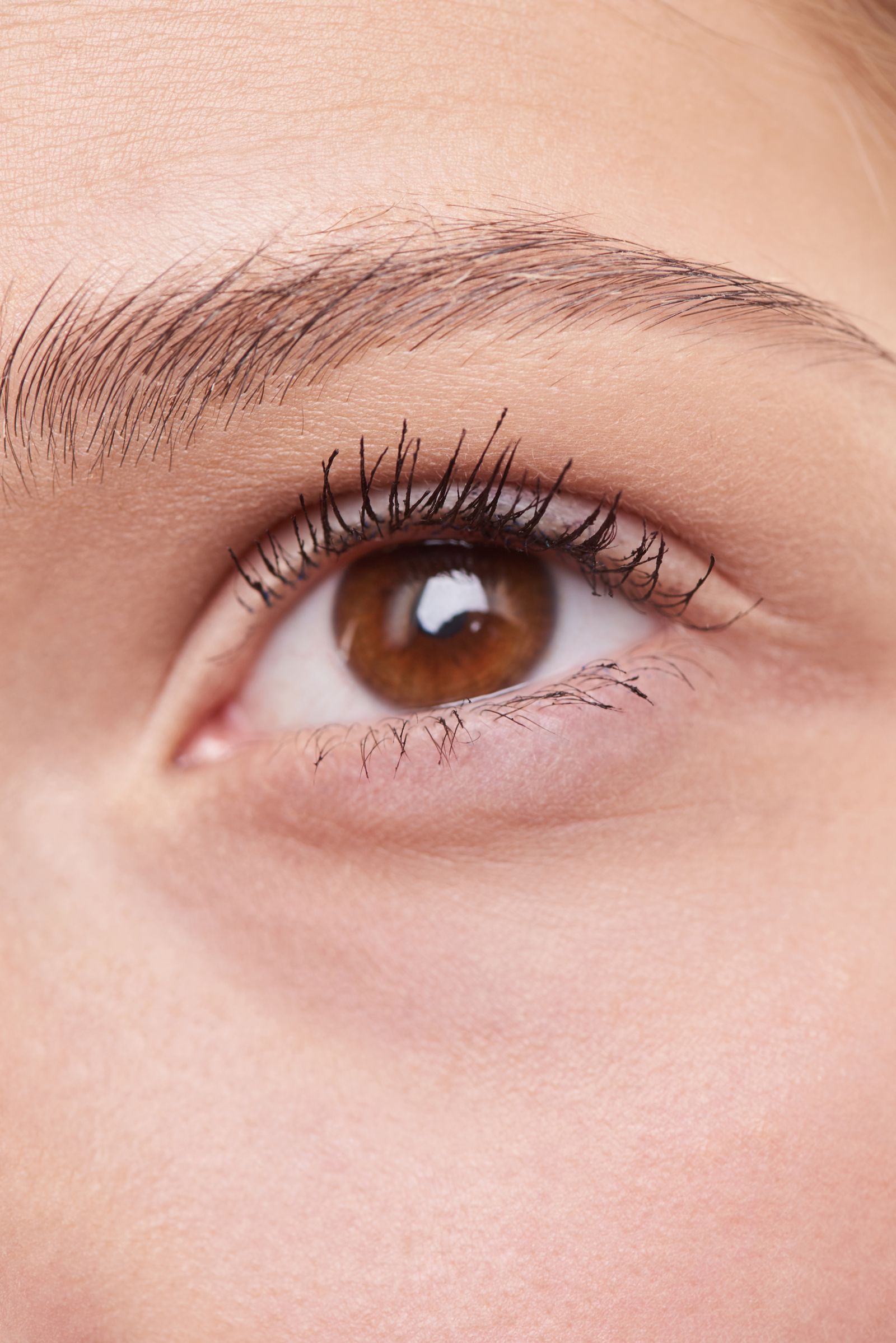
Reference photograph: a close brow reference for shading, showing an eye, lashes and brow.
Structure, format and what is included
The course moves in a clear order: theory of skin and pigment, then mapping and consultation, then machine practice on practice skin, and finally supervised shading work where the method is put together from start to finish.
Duration and training format. Session length, dates and how theory and practical work are delivered are confirmed with you when you enquire.
What students learn. How to judge whether a client suits powder or ombre, how to build an even gradient, how to choose pigment, and how to explain aftercare and touch-up expectations to a client.
What is included. Course materials and practical arrangements are set out in your enrolment information, so you know exactly what you are signing up for before you commit.
Trainer
Each trainer profile lists their experience and the courses they teach. Read about who leads shading work on the Trainers page.
Student work
Powder and ombre pieces from students appear in the Student Work Gallery, each linked back to its course. For a deeper look at the method, read Powder Brows Training: Shading Explained.
03
Questions about powder and ombre brows
What is the difference between powder and ombre?
Powder is an even, soft fill. Ombre uses the same shading but grades the colour, light at the front and deeper towards the tail.
Should I learn this or microblading first?
It depends on the clients you expect to see. Compare the methods on the Microblading Course page, or start broader with the Eyebrow Tattoo Course.
Can I ask about my own background before enrolling?
Yes. Tell us about your experience through the contact form and we can talk through whether this course fits. More general answers are on the FAQ page.